
What to Pack for Primate Tracking in Uganda
Complete Packing List for Gorilla Trekking, Chimpanzee Tracking and Golden Monkey Safaris in Uganda
Pack for the forest, not just the journey.
The right equipment turns a demanding rainforest trek into a more comfortable and memorable wildlife experience.
Primate tracking in Uganda is one of Africa's most unforgettable wildlife adventures. From hiking through the mist-covered forests of Bwindi Impenetrable National Park in search of mountain gorillas to following energetic chimpanzees through Kibale Forest and exploring the bamboo slopes of Mgahinga in pursuit of golden monkeys, every primate safari experience requires proper preparation.
Uganda's primate habitats are wild, humid, mountainous, and often physically demanding. Forest trails can become muddy and slippery, weather conditions change quickly, and trekking durations vary depending on the movement of the primates being tracked. Packing the right gear is therefore essential for comfort, safety, and enjoying the overall safari experience.
This complete Uganda primate tracking packing list covers everything travelers need for gorilla trekking, chimpanzee tracking, golden monkey tracking, rainforest hiking, and multi-day Uganda primate safaris.


Practical preparation for primate tracking and safari adventures across Uganda.
Uganda Primate Tracking Packing Checklist
Prepare for your Uganda adventure with our expert packing guide. Discover exactly what to bring for primate tracking, wildlife safaris, and exploring the Pearl of Africa.
Why Packing Properly for Primate Tracking in Uganda Matters
Primate tracking in Uganda takes place within tropical rainforest ecosystems that are both beautiful and unpredictable. Trekking routes pass through dense vegetation, steep hillsides, muddy paths, bamboo forests, and high-altitude environments.
Unlike traditional wildlife safaris where most activities take place from safari vehicles, primate tracking requires active hiking through natural forest terrain. A well-prepared traveler enjoys the experience more comfortably while reducing physical strain and weather-related discomfort.
Packing properly also helps travelers protect camera equipment, stay dry during rainfall, maintain energy during long treks, and move safely through challenging terrain.
Whether visiting Bwindi for mountain gorilla trekking, Kibale Forest for chimpanzee tracking, or Mgahinga Gorilla National Park for golden monkey tracking, proper safari gear significantly improves the overall experience.
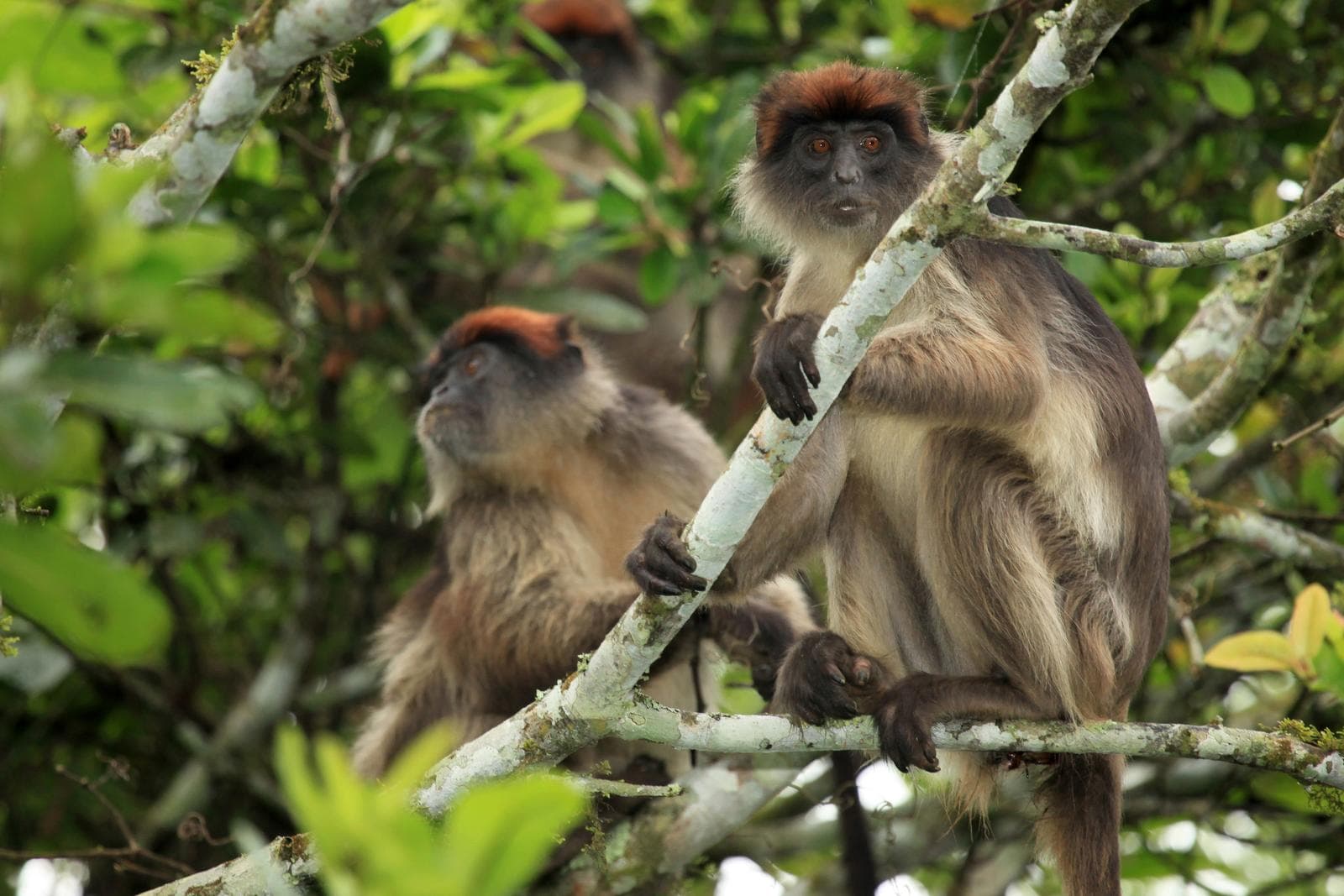

Waterproof Hiking Boots for Gorilla and Primate Tracking
A strong pair of waterproof hiking boots is the single most important item for primate tracking in Uganda. Forest trails are often wet, uneven, steep, and slippery, particularly during rainy months.
Mountain gorilla trekking in Bwindi frequently involves hiking through muddy slopes, dense undergrowth, and narrow forest trails. Chimpanzee tracking in Kibale Forest also includes damp forest conditions, while golden monkey tracking in Mgahinga may involve volcanic terrain and bamboo forests.
The best hiking boots for Uganda primate safaris should include:
- waterproof material
- strong ankle support
- deep traction grip
- lightweight hiking comfort
- breathable lining
Travelers should avoid brand-new boots that have not been tested before the safari. Properly broken-in boots help prevent blisters and foot discomfort during long treks.
Long-Sleeved Clothing for Forest Protection
Long-sleeved shirts and long trekking trousers are essential for protecting the body against:
Forest hazards
- thorny vegetation
- stinging nettles
- biting insects
- scratches from forest plants
Rainforest trails can become narrow and overgrown, especially in gorilla trekking sectors within Bwindi Impenetrable National Park.
Lightweight and breathable fabrics work best because Uganda's rainforest environments are humid and warm. Quick-drying materials are particularly useful during multi-day safaris.
Neutral safari colours such as:
- khaki
- olive green
- grey
- brown
- dark green
blend naturally with forest environments and are preferred during wildlife activities.
Bright colors are generally discouraged because they may attract insects or distract wildlife.


Waterproof Rain Jacket for Uganda Rainforests
Uganda's tropical forests experience rainfall throughout the year, even during dry seasons. A lightweight waterproof rain jacket is therefore one of the most important items for gorilla trekking and chimpanzee tracking safaris.
Rain can begin unexpectedly during forest hikes, especially in:
- Bwindi Impenetrable Forest
- Kibale Forest
- Mgahinga Gorilla National Park
A compact rain jacket helps travelers remain dry and comfortable without adding excessive weight to a backpack.
The ideal safari rain jacket should:
- be lightweight
- fold easily into a daypack
- provide breathable ventilation
- dry quickly
Ponchos are also useful during heavy rainfall conditions.
Gardening Gloves or Trekking Gloves
Many travelers underestimate the importance of gloves during primate tracking in Uganda. Forest trekking often requires grabbing branches, holding vegetation, or stabilizing movement during steep climbs.
Gardening gloves are especially popular during gorilla trekking because they protect hands from:
- thorns
- stinging plants
- rough vegetation
- muddy surfaces
Gloves also improve grip during difficult terrain sections.


Daypack or Small Backpack for Trekking
A lightweight waterproof backpack is essential for carrying personal items during primate tracking excursions.
Travelers typically use daypacks for:
- water bottles
- camera equipment
- rain jackets
- snacks
- extra clothing
- passports
- sunscreen
- binoculars
The best backpacks for Uganda primate safaris are:
- lightweight
- waterproof or water-resistant
- comfortable for hiking
- equipped with adjustable shoulder straps
A compact daypack allows travelers to move comfortably through dense rainforest terrain.
Drinking Water for Rainforest Hiking
Primate tracking can be physically demanding due to:
Key factors
- high humidity
- steep forest terrain
- long trekking durations
- warm temperatures
Carrying enough drinking water is extremely important for staying hydrated throughout the trek.
Reusable water bottles or hydration packs are ideal for Uganda rainforest safaris because they reduce plastic waste and provide easy access while hiking.
Most travelers carry at least:
- 1 to 2 liters of water for gorilla trekking
- additional water during longer chimpanzee tracking experiences
Hydration becomes even more important during high-altitude trekking in Bwindi and Mgahinga.
Energy Snacks for Long Treks
Some primate tracking experiences may last several hours depending on the movement of the animals being tracked.
Mountain gorilla families frequently move through dense forest vegetation, while chimpanzees often travel quickly across large forest areas.
Lightweight energy snacks help maintain strength and energy during trekking.
Recommended snacks include:
- 1 to 2 liters of water for protein bars
- nuts
- dried fruits
- chocolate bars
- granola bars
- biscuits
Travelers should avoid leaving food waste inside national parks to help protect wildlife habitats.
Insect Repellent for Uganda Forests
Rainforest environments naturally contain mosquitoes and other insects. A quality insect repellent helps improve comfort during primate tracking adventures.
Repellent is particularly important during:
- early morning treks
- humid forest conditions
- rainy seasons
- overnight stays near forests
The best insect repellents for Uganda safaris usually contain:
- DEET
- picaridin
- natural citronella alternatives
Long clothing combined with insect repellent provides the best protection during trekking.
Camera Equipment for Wildlife Photography
Uganda's primate safaris provide some of Africa's best wildlife photography opportunities.
Photographing mountain gorillas, chimpanzees, and golden monkeys in natural rainforest settings creates unforgettable safari memories.
Recommended camera equipment includes:
- DSLR or mirrorless camera
- zoom lens
- waterproof camera bag
- extra batteries
- memory cards
- lens cleaning cloth
Photography conditions inside forests can be challenging due to low lighting under dense canopy cover. Cameras with good low-light performance are highly recommended.
Flash photography is prohibited during gorilla and chimpanzee tracking because it may disturb the animals.
Binoculars for Forest Wildlife Viewing
Compact binoculars are extremely useful during chimpanzee tracking and birdwatching activities in Uganda's forests.
Chimpanzees often move high through tree canopies, making binoculars helpful for observing detailed behavior from a distance.
Birdwatchers exploring Kibale Forest, Bwindi, and Budongo Forest also benefit greatly from carrying binoculars.
Lightweight safari binoculars are ideal because they are easier to carry during long hikes.
Extra Socks for Rainforest Conditions
Forest trekking frequently involves mud, wet grass, and humid conditions. Carrying extra hiking socks helps keep feet dry and comfortable after trekking.
Wet socks can quickly lead to discomfort and blisters during multi-day primate safaris.
Moisture-wicking hiking socks are strongly recommended for Uganda rainforest adventures.
Hat or Safari Cap
A lightweight safari hat protects travelers from:
- sun exposure
- light rainfall
- forest moisture
Although many primate treks occur under forest canopy, open trail sections and road transfers may expose travelers to strong equatorial sunlight.
Wide-brim safari hats provide additional comfort during longer safari days.


Walking Stick or Trekking Pole
Walking sticks are highly recommended for gorilla trekking and chimpanzee tracking because many forest trails involve steep and slippery sections.
Most national parks provide wooden walking sticks at briefing points before the trek begins.
Some travelers prefer collapsible trekking poles for additional balance and knee support during mountainous hikes.
Lightweight Hiking Trousers
Comfortable hiking trousers are better suited for rainforest trekking than jeans or heavy fabrics.
Ideal trekking trousers should:
- dry quickly
- stretch comfortably
- resist tearing
- provide ventilation
Convertible trekking trousers with zip-off legs are also useful for changing weather conditions.
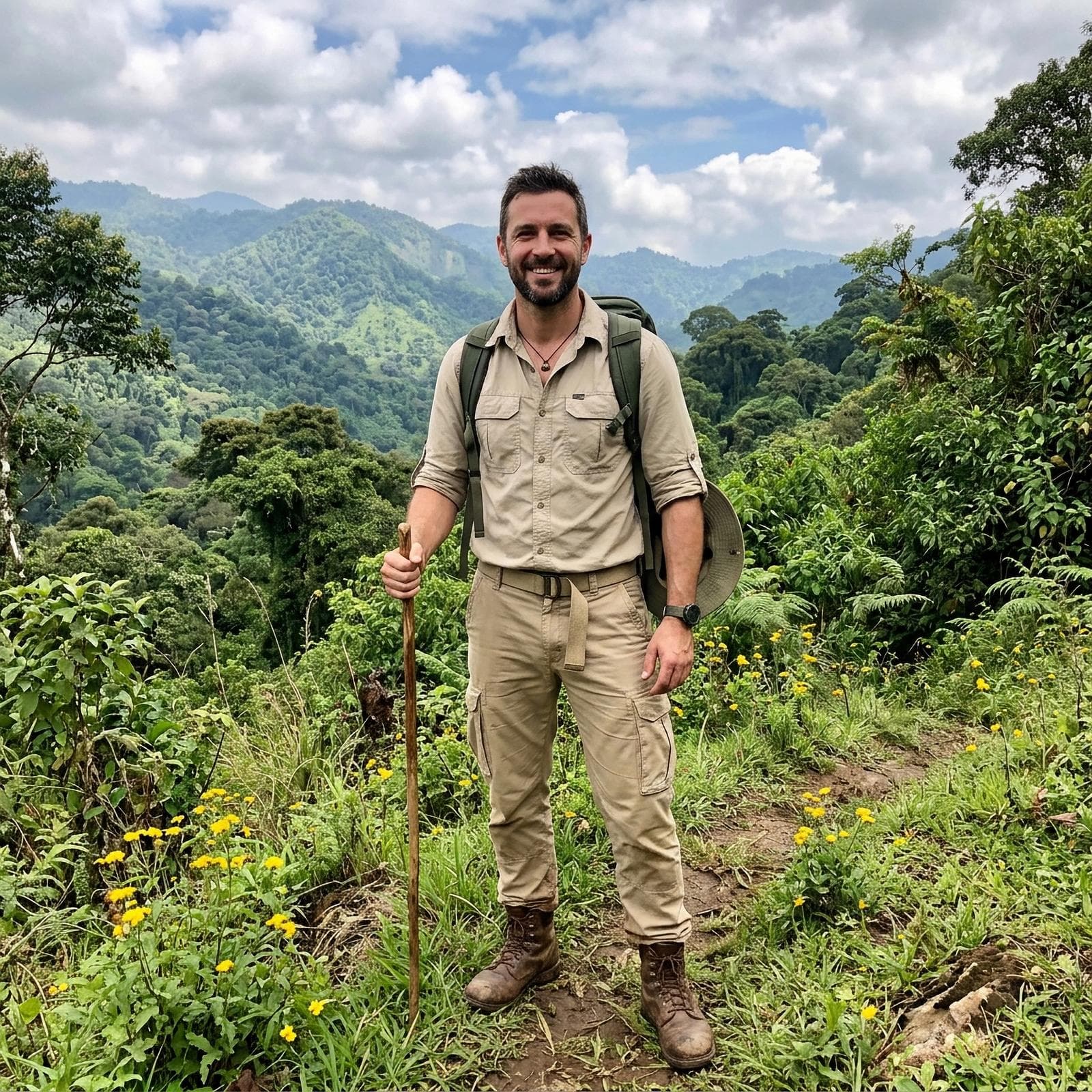

Waterproof Gaiters for Muddy Trails
Gaiters help protect hiking boots and trousers from mud and water during rainforest hikes.
They are particularly useful during:
- rainy season gorilla trekking
- Bwindi forest hikes
- muddy bamboo forest trails
Although optional, gaiters significantly improve comfort in wet conditions.
Personal Medication and First Aid Kit
Travelers should always carry essential personal medication during primate safaris in Uganda.
Basic travel medical kits may include:
- pain relievers
- antiseptic wipes
- motion sickness tablets
- allergy medication
- plasters
- rehydration salts
Anyone with medical conditions should inform safari guides before trekking begins.
Passport and Important Travel Documents
Uganda gorilla permits and chimpanzee tracking permits are linked directly to passport details.
Travelers should therefore carry:
- passport copies
- travel insurance
- vaccination certificates
- permit information
Waterproof document holders are recommended during rainy forest treks.

Cash for Porters and Tips
Hiring a porter during gorilla trekking or chimpanzee tracking is highly recommended.
Porters help travelers carry backpacks and provide physical support during difficult sections of the trail.
Carrying small cash denominations is useful for:
- porter payments
- guide tips
- craft purchases
- community projects
Hiring porters also directly supports communities living near Uganda's national parks.
Packing for Gorilla Trekking vs Chimpanzee Tracking
Although many packing essentials overlap, there are small differences between gorilla and chimpanzee tracking preparation.
Gorilla trekking usually involves:
- steeper terrain
- denser vegetation
- slower-paced hiking
- mountainous rainforest conditions
Chimpanzee tracking often involves:
- faster movement
- lighter forest terrain
- active canopy observation
- warmer forest conditions
Travelers combining both experiences should pack versatile trekking gear suitable for varying environments.
Packing for Golden Monkey Tracking in Uganda
Golden monkey tracking in Mgahinga Gorilla National Park generally involves lighter trekking compared to gorilla tracking.
However, the bamboo forest environment still requires:
- waterproof boots
- rain jacket
- hiking clothing
- camera equipment
Golden monkeys move quickly through vegetation, making lightweight gear and photography equipment especially useful.
Weather Conditions During Primate Tracking in Uganda
Uganda’s equatorial climate creates moderate temperatures throughout the year, but rainforest weather can change rapidly.
Travelers should prepare for:
- sudden rainfall
- muddy trails
- cool mountain mornings
- humid afternoons
- misty forest conditions
Layered clothing is therefore ideal for changing weather during trekking.
Luxury Primate Safari Packing Tips
Travelers staying in luxury safari lodges often have access to:
- laundry services
- boot cleaning
- packed lunches
- safari equipment assistance
This allows lighter packing during extended Uganda primate safaris.
However, essential trekking gear remains necessary regardless of accommodation level.
Common Packing Mistakes to Avoid
One of the biggest mistakes travelers make is underestimating rainforest conditions in Uganda.
Common packing mistakes include:
- bringing non-waterproof shoes
- packing heavy cotton clothing
- forgetting rain protection
- carrying oversized luggage
- wearing bright clothing
- forgetting insect repellent
Packing smart and light improves mobility and comfort throughout the safari.
Travel light. Trek confidently.
Preparing properly for primate tracking in Uganda greatly improves the overall safari experience.
Whether trekking mountain gorillas in Bwindi, following chimpanzees through Kibale Forest, or exploring bamboo forests in search of golden monkeys, the right equipment ensures greater comfort, safety, and enjoyment.
Uganda’s rainforests are raw, beautiful, and unpredictable. Proper hiking gear, waterproof clothing, camera equipment, and essential trekking accessories help travelers fully immerse themselves in one of Africa’s most extraordinary wildlife adventures.
A well-planned packing list allows visitors to focus entirely on the unforgettable experience of encountering Uganda’s remarkable primates in their natural habitats while enjoying the adventure with confidence and comfort.
Request a Quote from Track Gorillas
Whether you are looking for a luxury gorilla safari or a custom primate adventure, our team will design the perfect Uganda journey tailored to your interests.